cyprus - Dentist in Kyrenia ǀ Harun Yildirim Dental Surgery & Clinic Skip to main content
Tag

cyprus

The Use and Advantages of Digital Scanners in Smile Design

By BlogNo Comments

The Use and Advantages of Digital Scanners in Smile Design

In modern cosmetic dentistry, smile design plays a key role in helping patients achieve the confident, healthy smile they’ve always wanted. One of the most transformative tools we use in this process is the digital scanner. This advanced technology allows us to create precise 3D images of your teeth, making the entire smile makeover process faster, more comfortable, and highly accurate.

What Is a Digital Dental Scanner?

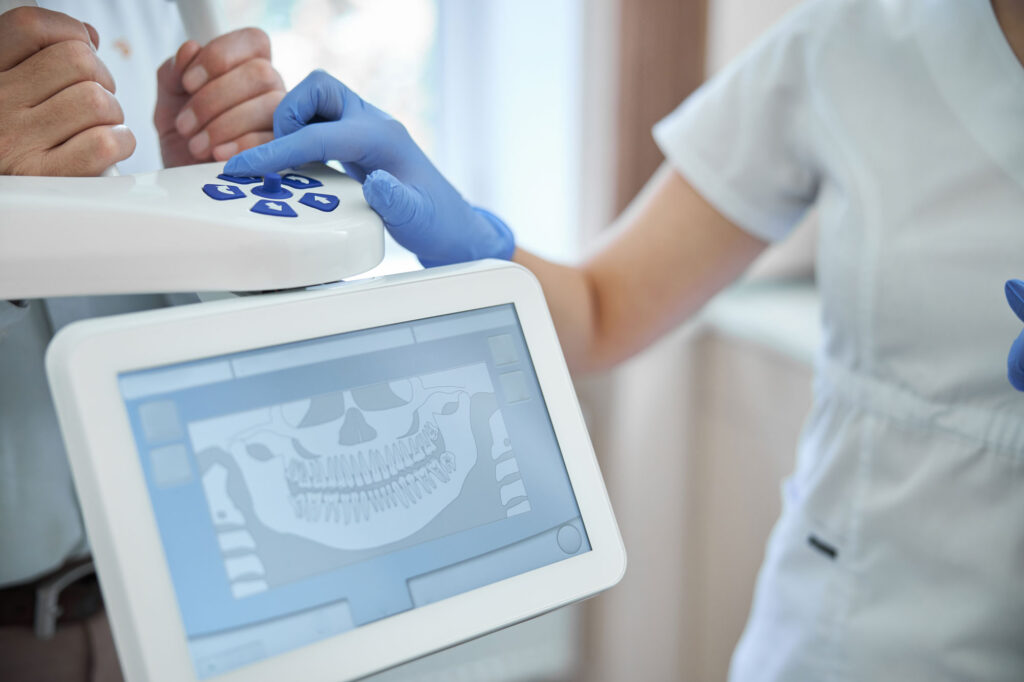
A digital scanner is a handheld device that captures high-resolution 3D images of your teeth and gums within just a few minutes. Unlike traditional impressions that can be messy, uncomfortable, and time-consuming, digital scans are quick, clean, and non-invasive. The result? A perfectly detailed model of your mouth that we can use to plan your ideal smile.

Advantages of Using Digital Scanners in Smile Design

Here are the key benefits of integrating digital scanning into your smile design journey:

  1. Comfort and Speed

Say goodbye to uncomfortable molds and trays. Digital scanning is pain-free and typically completed in under five minutes. Patients often tell us how much more relaxed they feel during the process.

  1. Precision and Accuracy

Digital scanners provide millimeter-level precision, reducing the risk of errors. This accuracy ensures that veneers, crowns, or aligners fit perfectly, leading to better aesthetics and function.

  1. Faster Treatment Planning

Because the scan is immediately available on-screen, I can evaluate your teeth in real time and begin the smile design process right away. This means fewer appointments and quicker results.

  1. Improved Communication

The 3D images make it easier for you to understand your treatment plan. We can show you a visual preview of your new smile and discuss any changes instantly. It’s a collaborative experience from start to finish.

  1. Time-Saving

Digital impressions significantly cut down lab turnaround times. While traditional impressions might take days, digital files can be sent to the lab instantly—speeding up your overall treatment process.

  1. Reduced Errors and Remakes

Traditional molds can deform or produce inaccurate results. With digital scanners, the risk of errors is greatly reduced, which means fewer delays and less need for retakes.

The Future of Smile Design with Digital Technology

Digital dentistry is revolutionizing how we approach esthetic treatments. With tools like intraoral scanners, we can create personalized and predictable smile designs that align perfectly with both your facial features and functional needs. This isn’t just about looking great—it’s about feeling confident and enjoying a healthier bite.

Final Thoughts

If you’re considering a smile makeover, digital scanning technology offers a smoother, faster, and more precise experience. It’s one of the most powerful tools we use to help you achieve a naturally beautiful smile.

Want to explore how a digital scanner can transform your smile? Book a consultation today and take the first step toward a confident new you.
All-on-4 vs All-on-6 Dental Implants

By BlogNo Comments

Which Full Mouth Solution Is Right for You?

For patients who have lost all or most of their teeth, modern dentistry offers two life-changing solutions: All-on-4 and All-on-6 dental implants. Both of these techniques are advanced full-arch restoration methods that allow you to regain a fixed, natural-looking smile with fewer implants than traditional procedures.

But how do you know which system is best for you? In this article, I’ll explain the differences between All-on-4 and All-on-6 implants, their pros and cons, and how we determine the most suitable treatment for your unique case.

What Are All-on-4 and All-on-6 Implants?

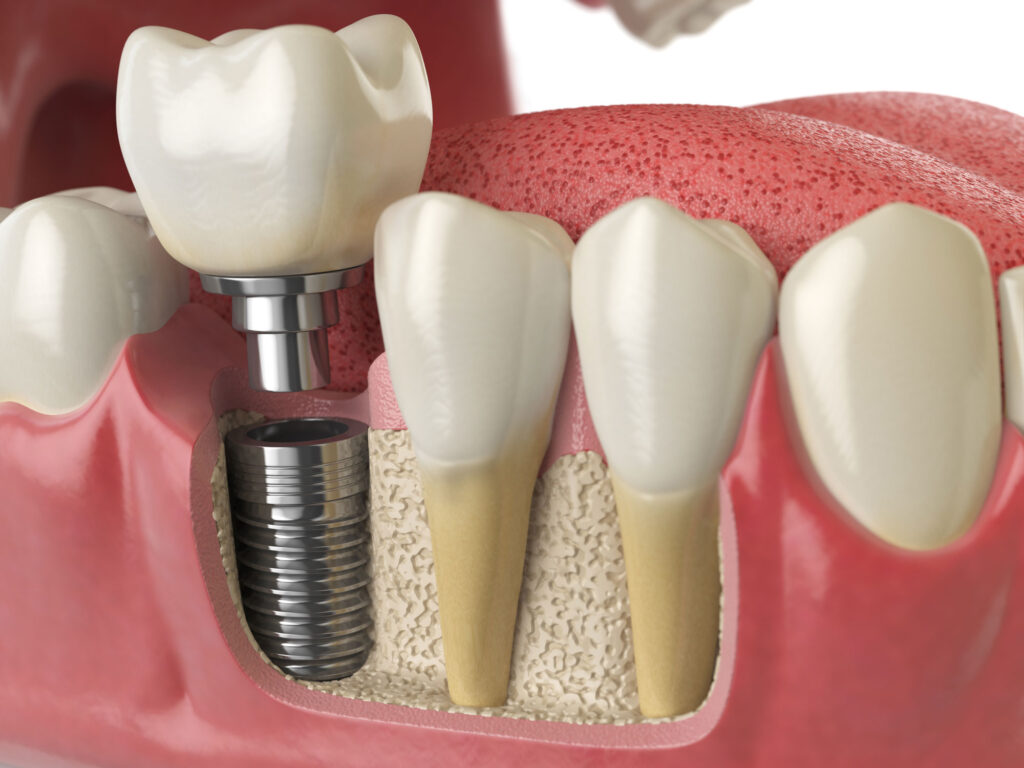
These implant systems are designed to support a fixed full-arch prosthesis using either 4 or 6 titanium implants per jaw (upper or lower). The implants act as artificial roots, anchoring a permanent dental bridge in place.

All-on-4 uses four implants per arch, with two implants typically angled to maximize bone contact.

All-on-6 uses six implants, offering more support and load distribution.

All-on-4 Dental Implants: Key Features

Minimally Invasive: Only four implants are placed, which often means less surgical time and faster healing.

Faster Results: In many cases, teeth can be placed the same day as the implants.

Cost-Effective: Fewer implants often mean lower overall treatment cost.

Bone Preservation: Angled implants stimulate the jawbone and help prevent further bone loss.

Potential Limitations:

With only four implants, each must carry more load, which may cause stress in the long term.

If your jawbone lacks sufficient volume or density, All-on-4 may not offer enough support.

All-on-6 Dental Implants: Key Features

Greater Stability: Six implants provide better long-term support and durability for the prosthesis.

Even Load Distribution: The chewing forces are more evenly spread, minimizing implant wear.

Higher Bone Integration: With more implant contact points, the prosthesis better adapts to your bone and gum structure.

Potential Limitations:

More implants mean a more complex surgery and possibly a longer recovery period.

All-on-6 treatment is generally more expensive than All-on-4.

Healing may take slightly longer due to the increased number of implant sites.

Choosing the Right Implant System: What to Consider

There’s no one-size-fits-all answer. Your treatment plan should be personalized based on several important factors:

  1. Jawbone Condition

Your bone volume and density will influence whether 4 or 6 implants are viable. If the bone is insufficient, bone grafting may be necessary.

  1. Age & Overall Health

Health conditions like diabetes or smoking habits may affect healing and implant success. Also, older patients may have higher levels of bone loss that impact the choice.

  1. Time & Budget

All-on-4 is generally faster and more affordable, while All-on-6 may offer more long-term stability at a higher cost.

  1. Your Dentist’s Recommendation

After taking X-rays or a 3D CBCT scan, your dentist will assess your jaw structure and discuss the best option based on both functional and aesthetic goals.

Final Thoughts

Both All-on-4 and All-on-6 implants can transform your smile and dramatically improve your quality of life. The best choice depends on your oral health, budget, and long-term expectations.

As a dental professional, my goal is to provide a tailored solution that restores both your smile and your confidence. If you’re considering full-mouth dental implants, schedule a consultation to discuss which system is right for you.