
Which Full Mouth Solution Is Right for You?
For patients who have lost all or most of their teeth, modern dentistry offers two life-changing solutions: All-on-4 and All-on-6 dental implants. Both of these techniques are advanced full-arch restoration methods that allow you to regain a fixed, natural-looking smile with fewer implants than traditional procedures.
But how do you know which system is best for you? In this article, I’ll explain the differences between All-on-4 and All-on-6 implants, their pros and cons, and how we determine the most suitable treatment for your unique case.
What Are All-on-4 and All-on-6 Implants?
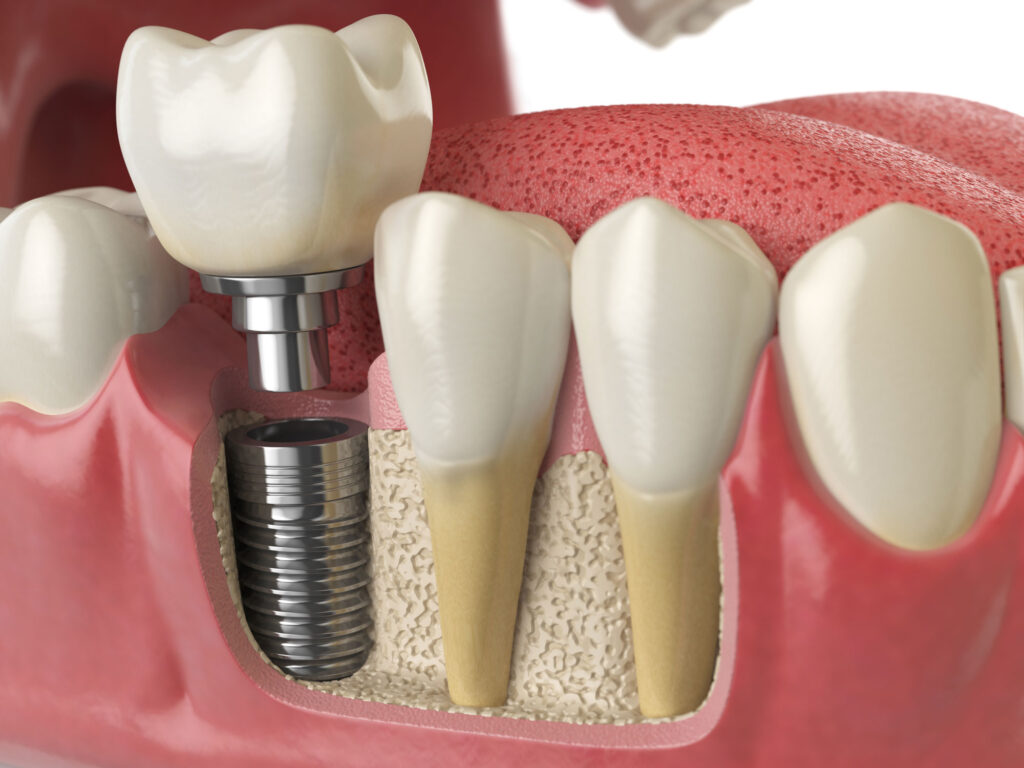
These implant systems are designed to support a fixed full-arch prosthesis using either 4 or 6 titanium implants per jaw (upper or lower). The implants act as artificial roots, anchoring a permanent dental bridge in place.
All-on-4 uses four implants per arch, with two implants typically angled to maximize bone contact.
All-on-6 uses six implants, offering more support and load distribution.
All-on-4 Dental Implants: Key Features
Minimally Invasive: Only four implants are placed, which often means less surgical time and faster healing.
Faster Results: In many cases, teeth can be placed the same day as the implants.
Cost-Effective: Fewer implants often mean lower overall treatment cost.
Bone Preservation: Angled implants stimulate the jawbone and help prevent further bone loss.
Potential Limitations:
With only four implants, each must carry more load, which may cause stress in the long term.
If your jawbone lacks sufficient volume or density, All-on-4 may not offer enough support.
All-on-6 Dental Implants: Key Features
Greater Stability: Six implants provide better long-term support and durability for the prosthesis.
Even Load Distribution: The chewing forces are more evenly spread, minimizing implant wear.
Higher Bone Integration: With more implant contact points, the prosthesis better adapts to your bone and gum structure.
Potential Limitations:
More implants mean a more complex surgery and possibly a longer recovery period.
All-on-6 treatment is generally more expensive than All-on-4.
Healing may take slightly longer due to the increased number of implant sites.
Choosing the Right Implant System: What to Consider
There’s no one-size-fits-all answer. Your treatment plan should be personalized based on several important factors:
- Jawbone Condition
Your bone volume and density will influence whether 4 or 6 implants are viable. If the bone is insufficient, bone grafting may be necessary.
- Age & Overall Health
Health conditions like diabetes or smoking habits may affect healing and implant success. Also, older patients may have higher levels of bone loss that impact the choice.
- Time & Budget
All-on-4 is generally faster and more affordable, while All-on-6 may offer more long-term stability at a higher cost.
- Your Dentist’s Recommendation
After taking X-rays or a 3D CBCT scan, your dentist will assess your jaw structure and discuss the best option based on both functional and aesthetic goals.
Final Thoughts
Both All-on-4 and All-on-6 implants can transform your smile and dramatically improve your quality of life. The best choice depends on your oral health, budget, and long-term expectations.
As a dental professional, my goal is to provide a tailored solution that restores both your smile and your confidence. If you’re considering full-mouth dental implants, schedule a consultation to discuss which system is right for you.
